

Smith’s Crisps started life in a garage behind the Cricklewood Crown pub. Frank Smith and his wife cooked the crisps and sold them to the pub clientele. Soon Smith was selling them across London from his pony and trap, and within a year, they had taken on 12 full-time staff to keep up with demand. Smith’s great innovation was to add a twist of salt to the bag of potato crisps, giving them a flavour boost that left the competition standing. The potato snacks were such a success that Frank Smith and his business partner, Jim Viney, were able to open their first factory, in Brentford, in 1927.

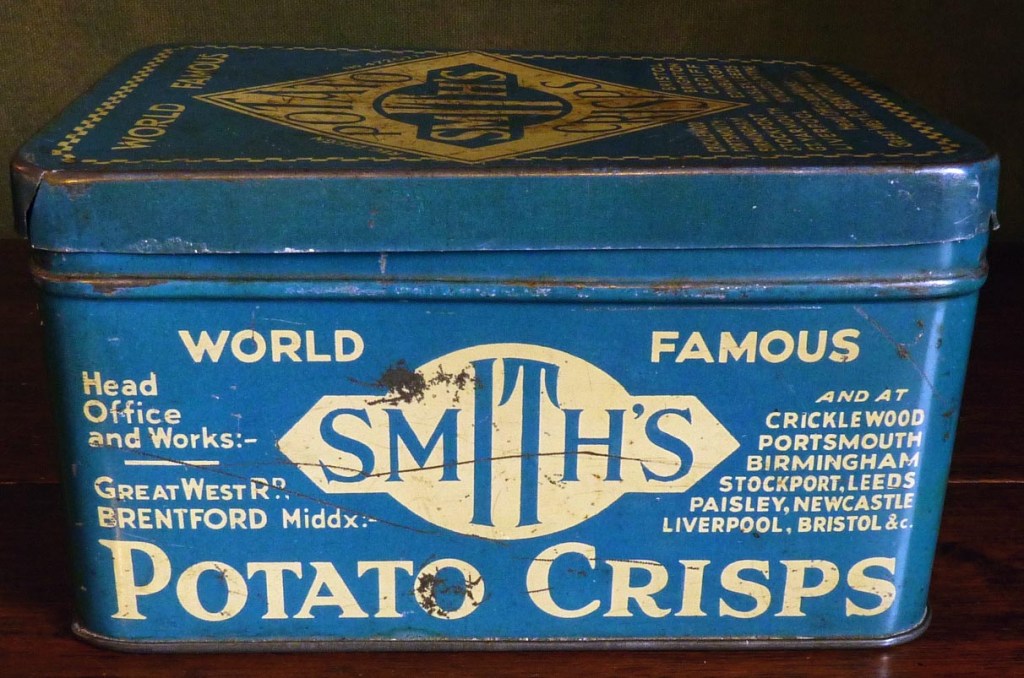
The crisps were initially cooked in gas-fired cooking pots. (These were replace, in 1945, by a new continuous cooker process.) They were packed by hand and distributed by Nestlé Confectionery vans.

Other factories followed, among them ones at Bristol, Great Yarmouth, Heaton and Fforestfach.

In 1931, Frank Smith introduced the potato crisp to Australia, but the business struggled and he had to file for voluntary liquidation in 1932. George Ensor came to the rescue and Smith’s Crisps (Australia) was founded later that year. Up until 2003, the snacks were known by their British name of “potato crisps”, but the pressure of contemporary vernacular meant that they were eventually relabled “potato chips”.
 Museum of Crisps
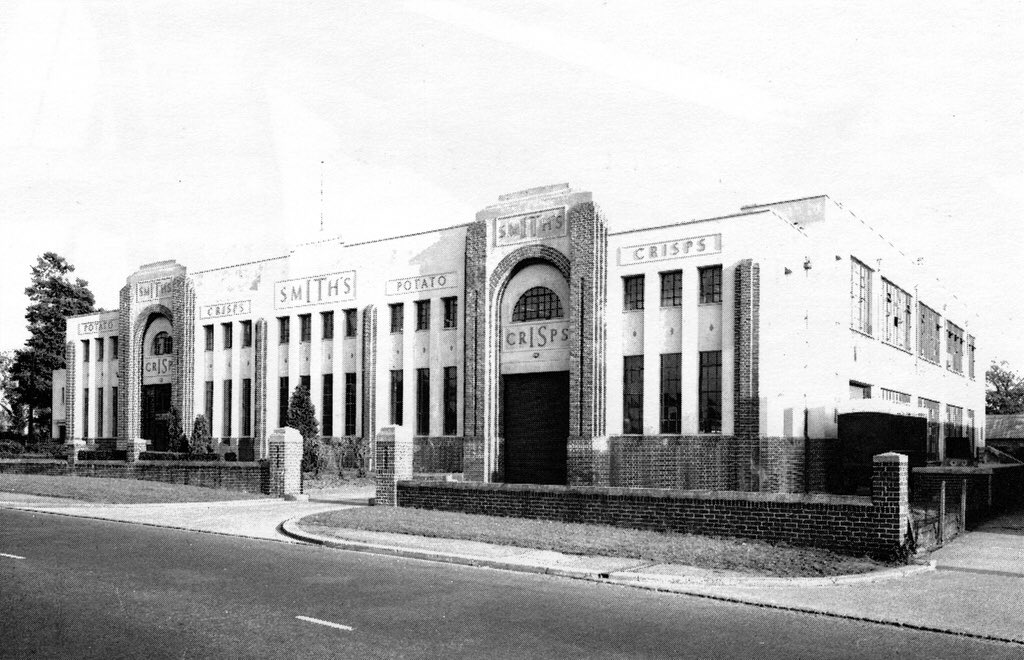
Pretty sure that first picture is Lincoln factory.
The whole facade still exists;
255 Newark Road
Lincoln
LN5 8XN
LikeLike
Ah thanks, Andy!
LikeLike
My mother worked at the Great Yarmouth factory in the packing dept. She enjoyed the job but said no one wanted to sit near her on the bus home because she stank of crisps!
LikeLike
That’s an amazing bit of history! Thanks for sharing it 🙂
LikeLike
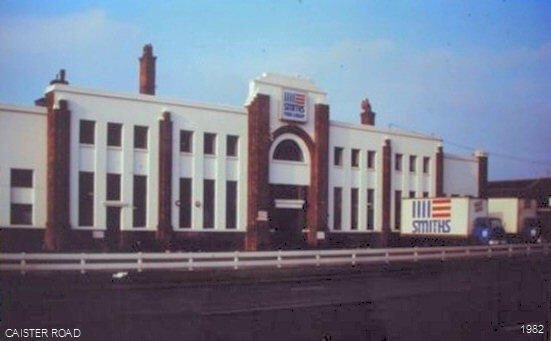
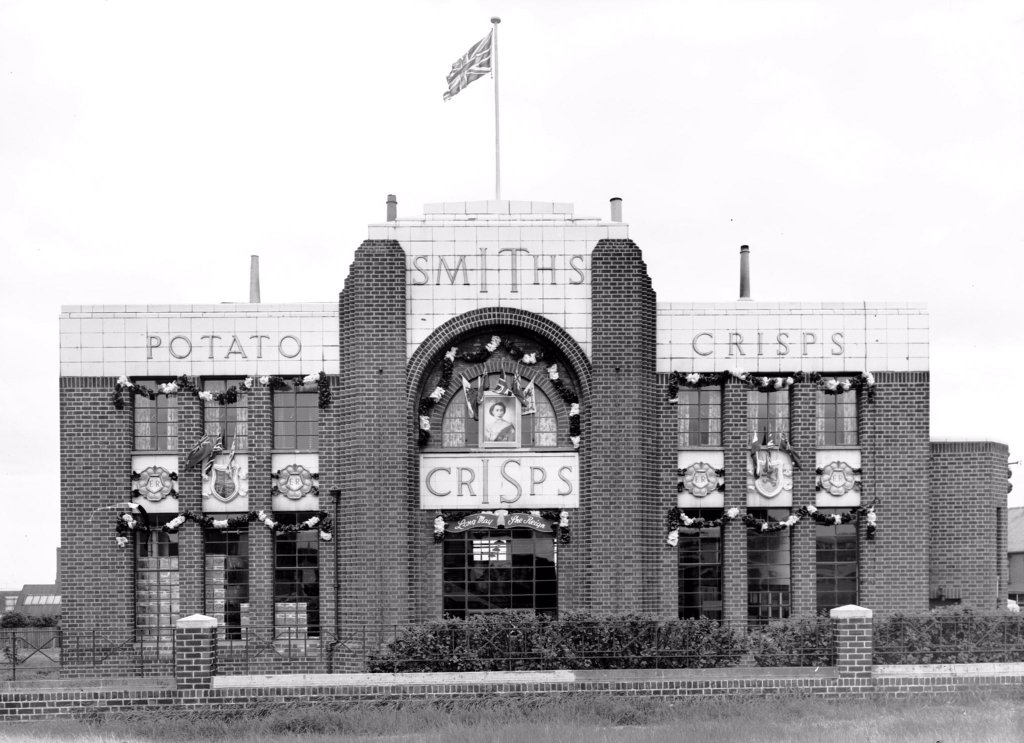
The factory on Caister Road, Great Yarmouth, built in 1935 was their second factory in the town. The first was opened in 1929 on Granville Road, Southtown, Great Yarmouth.
LikeLike
Where in Portsmouth was the smith’s crisp factory in the 1930s
LikeLike
Met my wife at the Lincoln factory in 1955 we where married for 57 years
LikeLike
I worked in the Head Office Gt West Road in 1957 till 1959 as receptionist/ telephonist great memories
Mr Scott was Man,Dir Mr Houslop Personel I remember lots more if anyone is interested
LikeLike
That sounds amazing – I’d love to hear more. Can you email us at chip@museumofcrisps.com – it’d be really interesting to do a blog post for the museum on your memories. Liz for Museum of Crisps
LikeLike
I suspect not too many people will have the same interest in, and memories of, the Smith’s Gt Yarmouth factory on Caistor Rd. Photographs of their rather stylish factories always show the road frontage but the back of their Yarmouth factory site was the bank of the River Bure which, at that point, is not very attractive. For many years I have sailed on the Broads and, more to the point, the river there poses problems for yachts without engines, especially when going down river. The banks are shallow and the tide can run very swiftly. Yarmouth Yacht Station is a mile or so below the factory and the river there narrows and the rate of the be tide can be awesome. There used to be a railway bridge which claimed the masts of many yachts whose skippers did not appreciate that buildings blanketed the wind. Going upstream was a different experience, the tide would be with you and the water level was rising so running aground was not too problematic. There was always a plume of ‘steam’ from the Smiths factory which showed what the wind was doing and that, from this point on, you left the buildings behind and could usually expect many miles of pleasant sailing. So my memories of the Smith factory, mostly of sailing up the river, are pleasant and benign. We were sorry when it was demolished and replaced with houses. Whenever I saw Smith’s factories elsewhere in the country they always seemed to have the characteristic plume of ‘steam’. Simon Neary
LikeLike